
Kordale Lewis Helped Make Black Gay Fatherhood Visible. His Legacy Deserves More Than a Social Media Goodbye.

Kordale Lewis became known to millions after a family photo challenged narrow ideas about Black fatherhood, queer parenting, and what love looks like in public. ICN is covering his legacy now because the algorithm should not be the archive.
This tribute is being published after the first wave of social media posts because legacy deserves more than a timeline moment. Not every reader catches the news when the algorithm decides to serve it, and Kordale Lewis’ impact on Black LGBTQ family visibility is worth documenting with care, context, and respect.
Kordale Lewis, the father and internet personality whose family life helped shift public conversations around Black gay fatherhood, is being remembered for the visibility he brought to a kind of family too often erased, mocked, or misunderstood.
A March 2026 report from Aintstraight stated that Lewis had died, while also noting that officials and family representatives had not released a confirmed cause of death. Icon City News has not independently verified a cause of death and will not publish speculation. If a family statement, official record, or credible report becomes available, this story should be updated.

Lewis became widely known alongside Kaleb Anthony after a 2014 social media photo showed the two fathers helping their daughters get ready for school. The image went viral not because it was extraordinary inside their home, but because the internet treated ordinary Black gay parenthood as something shocking. Today’s Parent later described Lewis as a father of three before age 18 and reported that the viral photo showed him and Anthony doing their daughters’ hair.
That moment became bigger than one image. For supporters, it was proof of something
many Black LGBTQ families already knew: queer parents are not an exception to family values. They are family. For critics, the photo exposed the ugly overlap of racism, homophobia, and narrow expectations about masculinity, parenting, and who gets to be seen as safe, loving, and stable.
Lewis understood that reaction. In a 2017 interview with Today’s Parent, he spoke about growing up without a father figure and wanting to be the kind of parent he did not have as a child. He also described the criticism his family received after the photo went viral, including backlash from people who assumed his children were adopted or being used for attention.

The public attention did not stop at social media. TIME reported in 2015 that Kordale and Kaleb Lewis appeared in Nikon’s “I Am Generation” campaign after the family photo gained national attention and drew homophobic backlash online. Mic later reported that the family’s online presence grew into a broader cultural moment, including fashion visibility and a following that watched their everyday family life unfold.
That matters.
For years, mainstream media offered Black queer people a limited set of roles: comic relief, cautionary tale, scandal, side character, or tragedy. Black gay fathers, especially masculine-presenting Black gay fathers raising children in public, were rarely given the softness, complexity, or ordinariness that straight families receive without question.
Kordale Lewis’ visibility interrupted that.
He did not become known because he delivered a perfect political speech. He became known because he was doing something deeply familiar: helping children get ready for school. The power of the image was in its normalcy. Two Black fathers. Kids. Hair. Morning routine. A household moving through the day.
And because America still struggles to see Black queer families as ordinary, that normalcy became news.
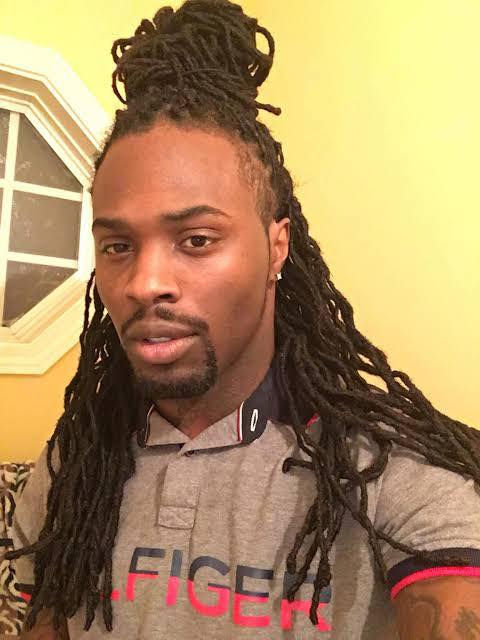
The family’s public life was not without complication. In 2015, TheGrio reported that Kordale Lewis and Kaleb Anthony had ended their engagement after becoming widely recognized as “Kordale & Kaleb.” But legacy does not require a person’s life to be uncomplicated. In fact, honest legacy work makes room for the whole picture: the visibility, the backlash, the pressure, the love, the public gaze, and the private humanity beneath it.
That is why this story still belongs on Icon City News, even months after many readers may have first seen posts about Lewis’ death online.
The timeline moved on. The impact did not.
Lewis’ story sits at the intersection of several conversations ICN refuses to flatten: Black fatherhood, LGBTQ visibility, internet fame, family representation, and the cost of being turned into a symbol while still trying to live as a person. His life was not just content. His family was not just a viral moment. His presence helped expand what some people believed Black queer life could look like.
For readers who remember the photo, the loss may feel personal because the image represented possibility. For readers who missed the news, the tribute is still necessary because cultural memory should not depend on whether a post happened to cross your feed.
Kordale Lewis helped make space for Black gay fathers to be seen not as debate topics, but as parents. Present. Loving. Human. Imperfect. Real.
And that is worth documenting.
Not because the internet made him famous.
Because his visibility made room.
🎯 Why This Story Lives Here
IconCityNews.com isn't just another platform. It’s the media arm of a bigger movement — Icon City Entertainment, where we build platforms for culture, community, and commerce. Every piece we publish is designed to:
Amplify underrepresented voices
Fuel action and awareness
Connect the dots between people, power, and possibility
📢 How to Support or Get Involved

For ICN Subscribers: Share this post, drop a comment, and follow us @iconcitynews
For Project Sponsors or Donors: Visit IconCity.org/support to fund work like this.
For Content Subjects or Creators: Schedule your interview at iconcitynews.com
![[UNCONFIRMED REPORT] Community Concern After Alleged Death of Visual Artist & Former Adult Entertainer “Hot Rod”](https://static.wixstatic.com/media/2ac6bf_5831e00816f245029228896b44647a7c~mv2.webp/v1/fill/w_768,h_714,al_c,q_85,enc_avif,quality_auto/2ac6bf_5831e00816f245029228896b44647a7c~mv2.webp)





Comments